![Aize Logo [Inverted]](https://www.aize.io/hubfs/Aize%20Logo%20%5BInverted%5D.svg "Aize Logo [Inverted]")


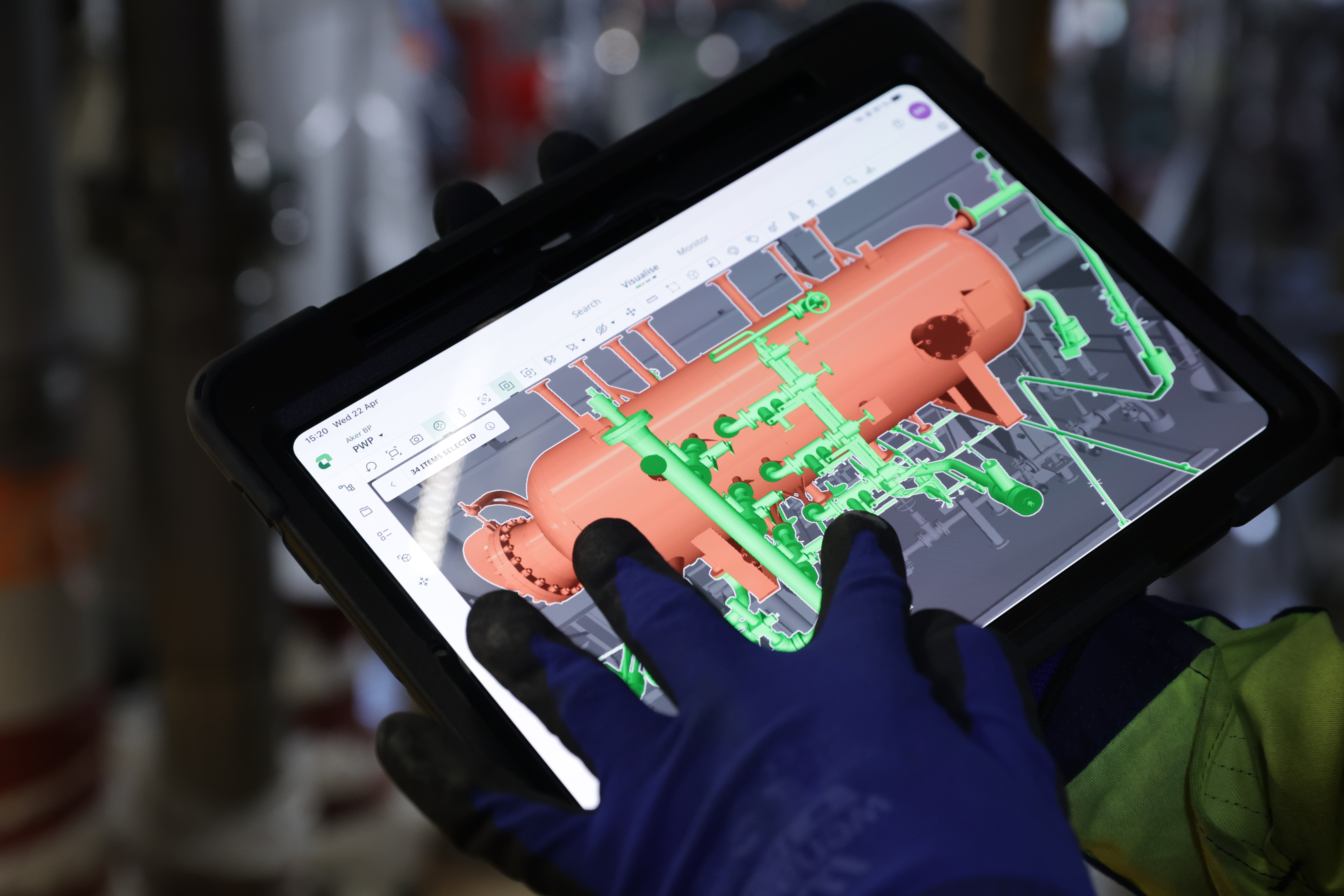
The problem is not that the data does not exist. The problem is that people cannot always use it when they need to make a decision.
Industrial companies are not short on information. Across onshore facilities, EPC projects, vessels, offshore assets, subsea infrastructure, and renewables, teams already have models, drawings, documents, work orders, inspection reports, sensor data, anomalies, and operational history. The problem is not that the data does not exist. The problem is that people cannot always use it when they need to make a decision.
A digital twin should solve that problem. But too often, digital twin initiatives become focused on completeness instead of usefulness. The ambition becomes to connect everything, model everything, and visualise everything from day one. That is where many programmes slow down. The most valuable digital twins do not start by trying to become perfect copies of the physical world. They start by helping people understand complex assets faster, make decisions with more confidence, and act with the right context.
The Data Exists. The Problem Is Context
Industrial teams work across many separate systems. A maintenance plan may sit in one tool. Engineering drawings may sit in another. Inspection findings may live in a different database. Operational readings may appear in dashboards. Comments, risks, and decisions may be spread across emails, spreadsheets, and meetings. Each source may be accurate on its own, but the value comes from the relationships between them.
A work order means more when it links to the asset it affects. A sensor reading means more when teams can see where it belongs. An inspection finding means more when it connects to the relevant tag, drawing, history, and risk.
Without these links, people spend too much time searching, checking, and rebuilding context before they can act.
This is where digital twins create value. Not as static visual models, but as working environments that make industrial information easier to understand and use.
Start With One Decision
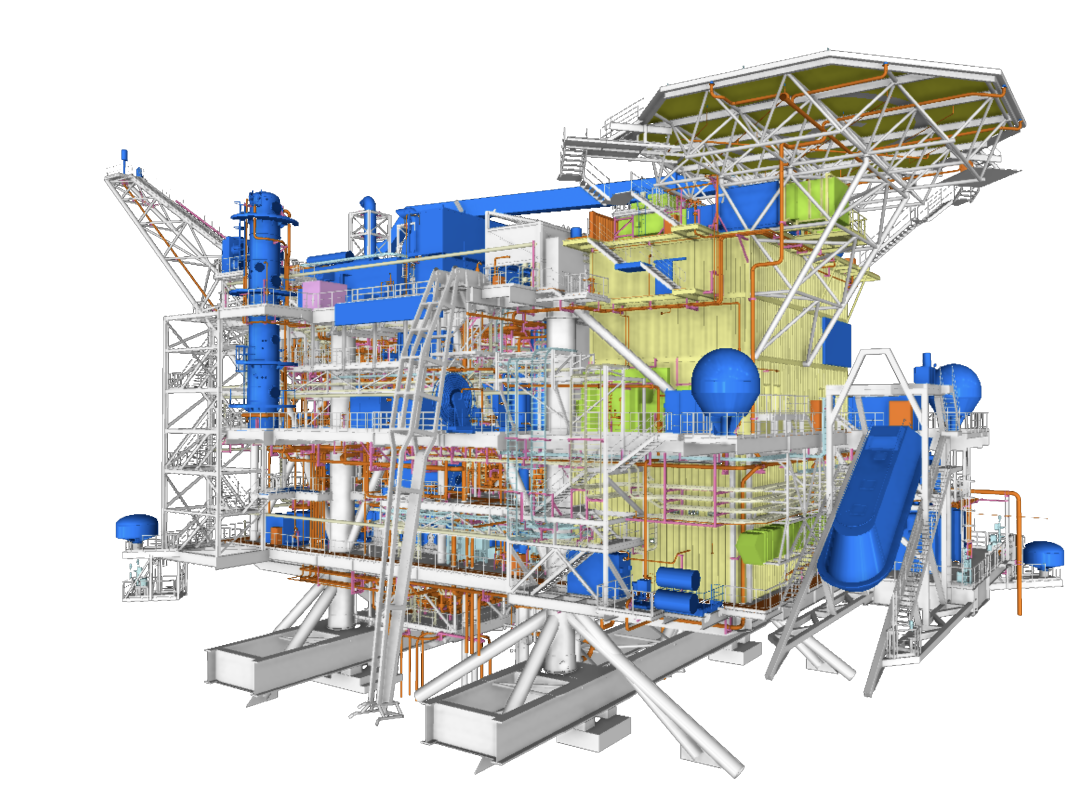
Many digital twin projects try to do too much too soon. They bring in every asset, every data source, every integration, and every workflow at once. This can create slow progress and unclear value.
A better approach starts with one question: Can the digital twin help this team make one decision better or faster?
That decision could involve maintenance planning, inspection preparation, engineering change, operational risk, remote support, campaign execution, or field work. Once the decision is clear, the right data becomes easier to identify. The digital twin stays focused on real work, not just more information.
Build a View People Can Trust
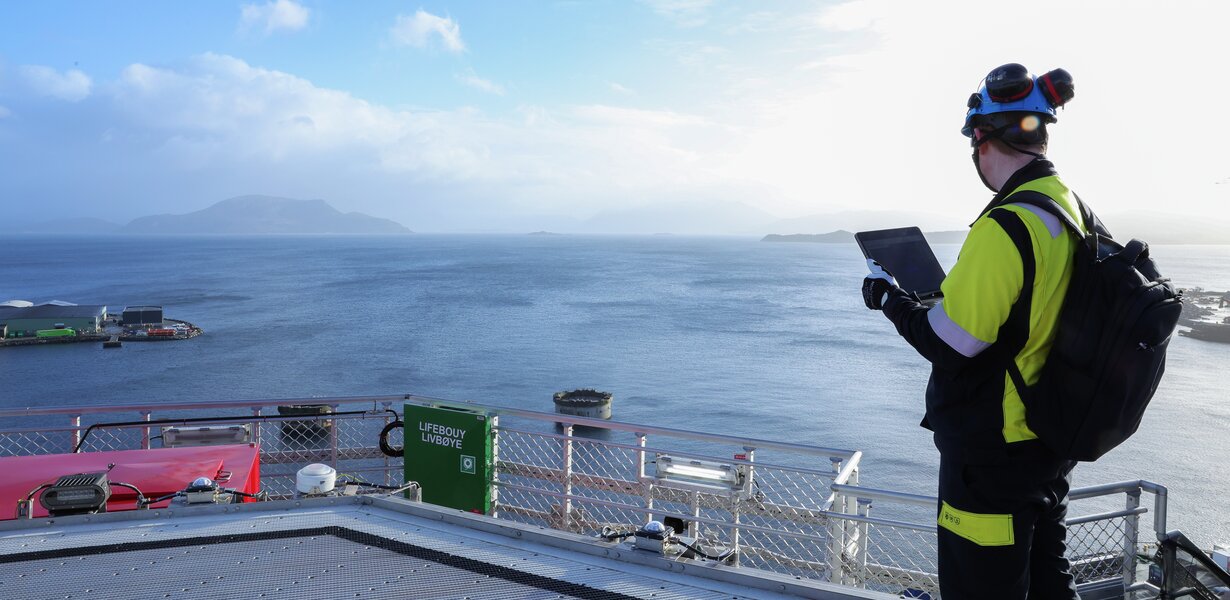
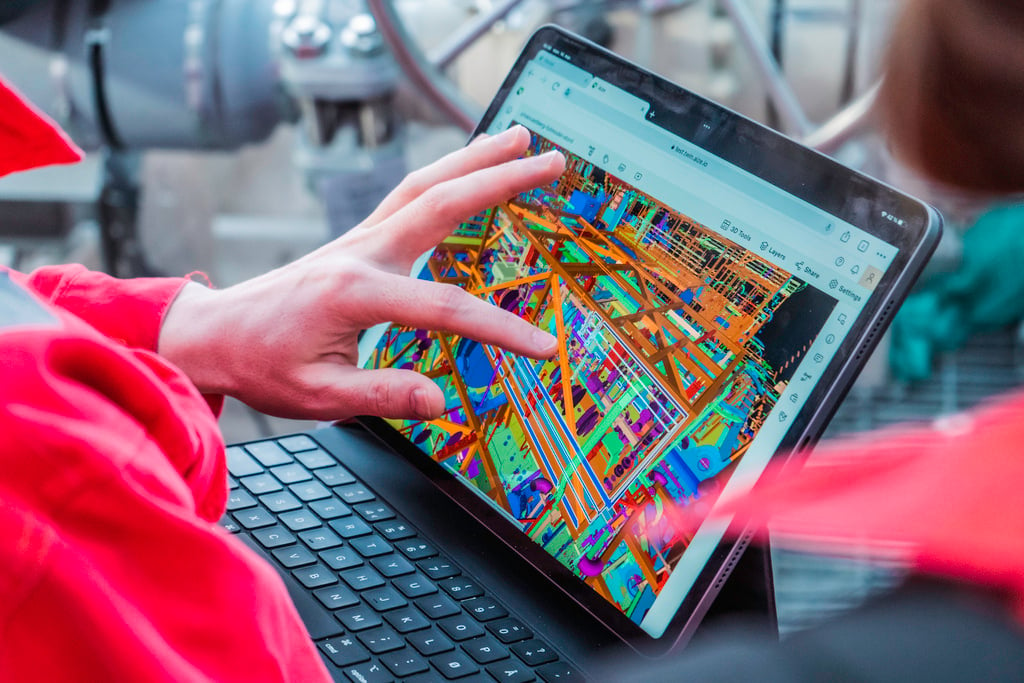
The first foundation is a shared visual reference. This does not mean every model must be complete or every detail must be perfect. It means teams need a trusted way to see the asset, understand where things are, and connect what they are looking at to real information.
A pump should not just appear as a shape in a model. It should be identified, tagged, connected to relevant engineering data, and placed in the right operational setting. The same principle applies to a vessel, a topside module, a wind asset, an onshore facility, a subsea structure, or an EPC project.
The value comes when teams can open the digital twin and quickly understand what they are looking at, why it matters, and what needs attention. That is the shift industrial software needs to make. It needs to move beyond showing assets and start helping people make sense of them.
Make the Task the Starting Point
Once a visual foundation exists, it can be tempting to add everything. More documents, more dashboards, more systems, and more data streams.
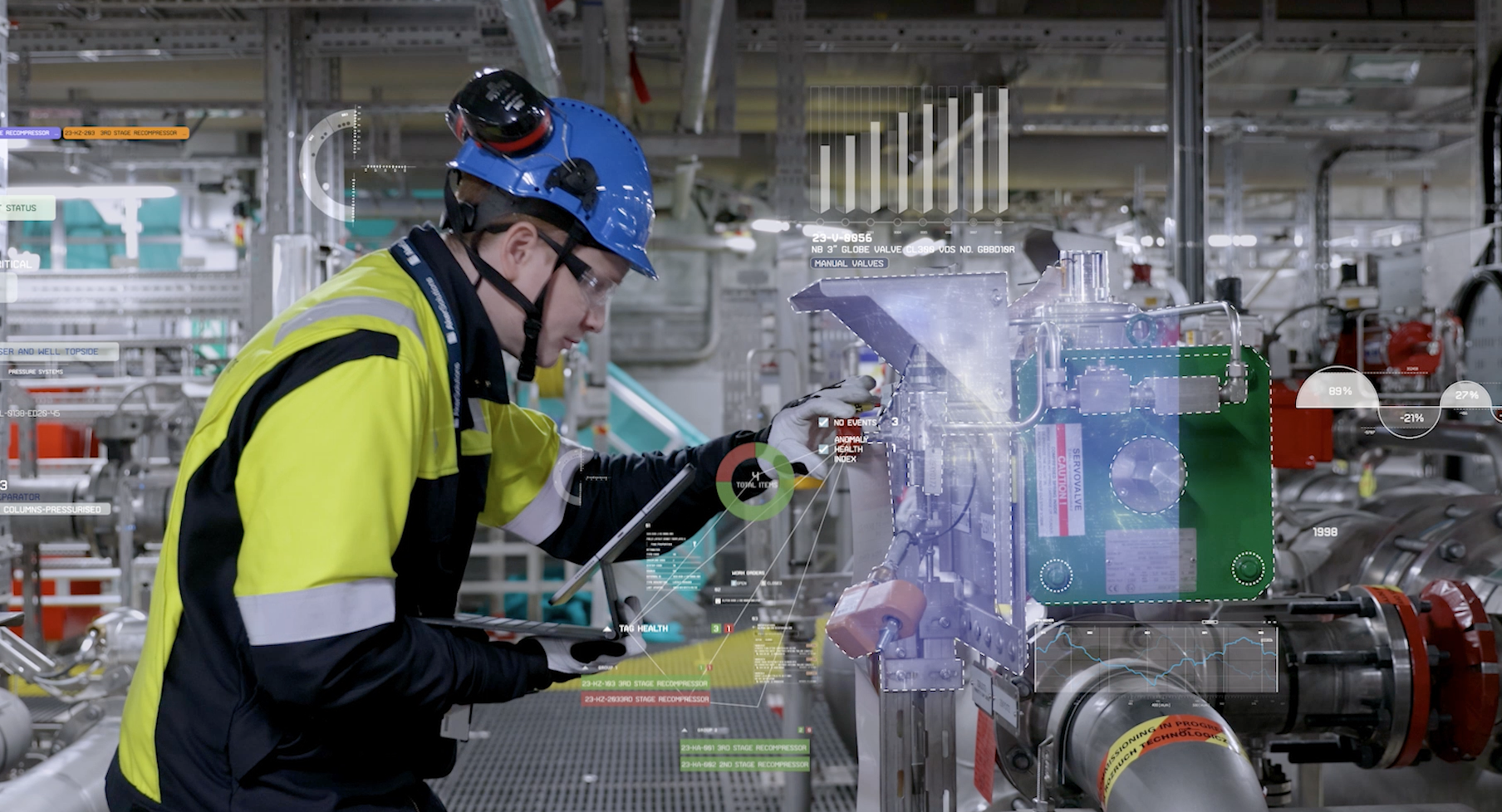
But more information does not always create more clarity. Useful digital twins grow from the work people need to do. If a planner prepares a maintenance job, the twin should help them find the asset, understand the surrounding system, review history, check recent observations, see related documents, and understand any constraints.
If an engineer investigates an issue, the twin should help them move from the asset to the connected evidence. Drawings, previous work, readings, findings, risks, and related equipment should be available without forcing them to search across separate tools.
If a field team carries out work, the context prepared in the office should stay connected to the asset. Comments, routes, work packages, and decisions should not end up in disconnected files.
This is where the digital twin becomes more than a visual layer. It becomes a place where work moves forward.
AI Needs the Right Foundation
AI is becoming part of industrial work, but AI needs context to be useful. It cannot help much if it does not understand the asset, the task, the history, the documents, and the operational relationships around the question.
The next generation of digital twins will not treat AI as something separate from the workflow. The real value will come when AI can work inside the connected reality of the asset. That means helping users find the right information faster, compare documents, check history, prepare work, highlight relevant changes, and suggest next steps based on the information already connected to the asset.
The goal is not to give users another place to search. It is to reduce the effort needed to understand what is happening and what action makes sense. This is where Aize is heading next.
What Comes Next
The next generation of digital twins will not be judged by how much data they contain. They will be judged by how well they help people understand, decide, and act.
At Aize, that means moving beyond the digital twin as a place to view information. It means building a working environment where assets, systems, documents, work, risk, and people connect in a way that supports real decisions.
It means helping teams move from searching to understanding, from disconnected tasks to connected work, and from isolated information to intelligence that understands the asset.
The foundation does not need to be perfect. It needs to be useful.
Once that foundation is in place, something bigger becomes possible: a connected layer for industrial work across assets, teams, and industries.
The best digital twins do not show everything. They show what matters.
And the next generation of Aize is being built to help industrial teams act on it.
Want to learn more about the Next Generation of Industrial Software?
Watch Tom Brian, Principal Product Manager, walk us through whats next for Aize:
To learn more about how Aize can streamline your day-to-day workflows, please reach out to us here.